
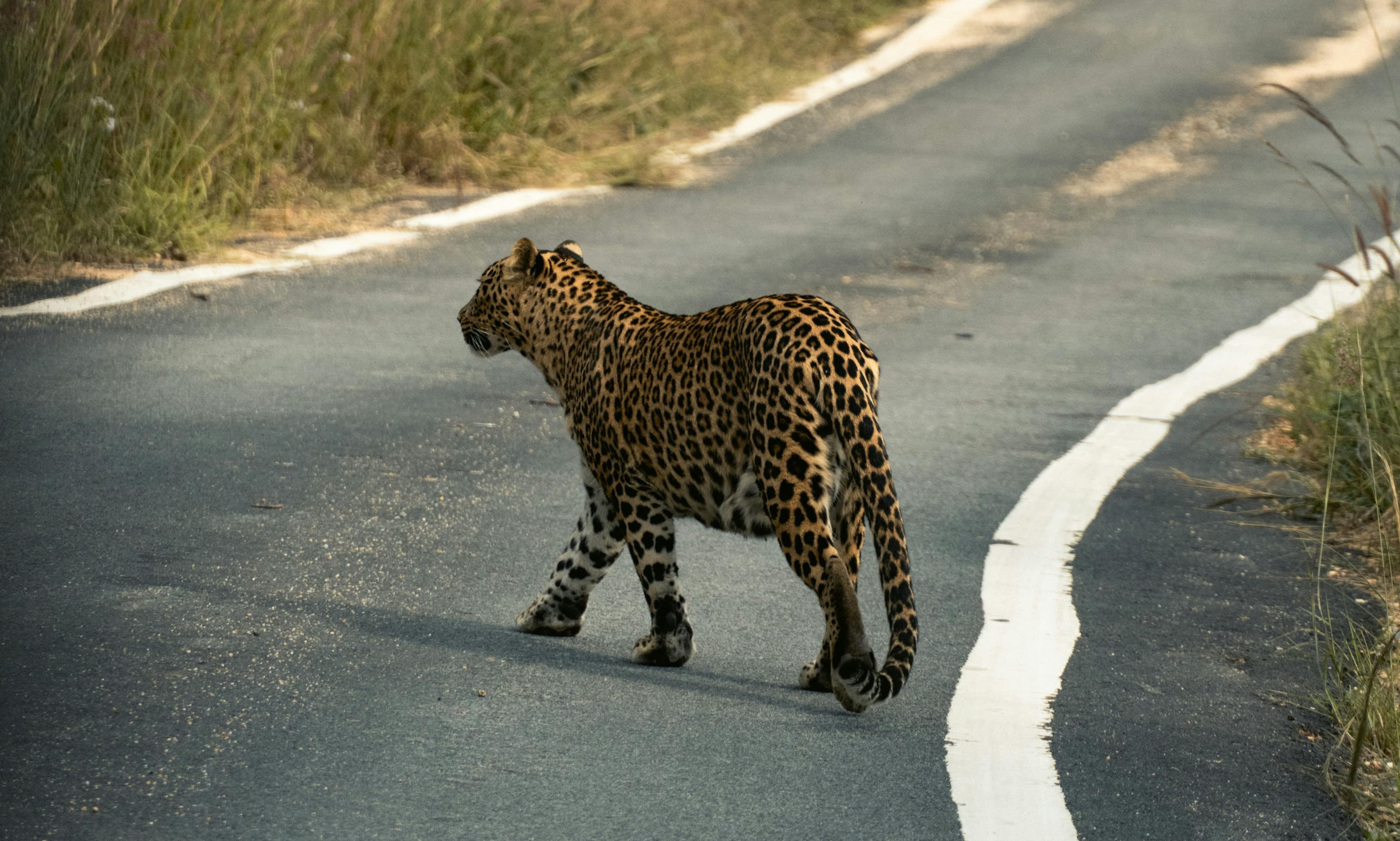
Jim Corbett Safari Zones
Explore the diverse ecosystems and unique wildlife experiences across all safari zones of Jim Corbett National Park. Each zone offers a distinct landscape, terrain, and wildlife viewing opportunities.
Choose Your Perfect Safari Zone
Each zone in Jim Corbett offers a unique experience. Browse through our detailed guide to find the zone that best matches your wildlife expectations and preferences.
Dhikala Zone
Dhikala is an iconic zone within Jim Corbett National Park, renowned for its diverse landscapes, thriving wildlife, and dense flora. Located in the heart of the park, Dhikala's varied topography features lush grasslands, riverine belts, and dense forests. The region has gained fame as a prime spot for those seeking an up-close experience with the wilderness, especially the majestic Bengal tiger. As part of the Corbett Tiger Reserve, Dhikala embodies the natural beauty of the Himalayan foothills, offering visitors a unique and immersive experience in the wild. As the largest of Corbett's six zones, Dhikala spans across several hundred kilometers and attracts thousands of nature lovers, photographers, and wildlife enthusiasts every year.
Wildlife You May Spot
Bird Species
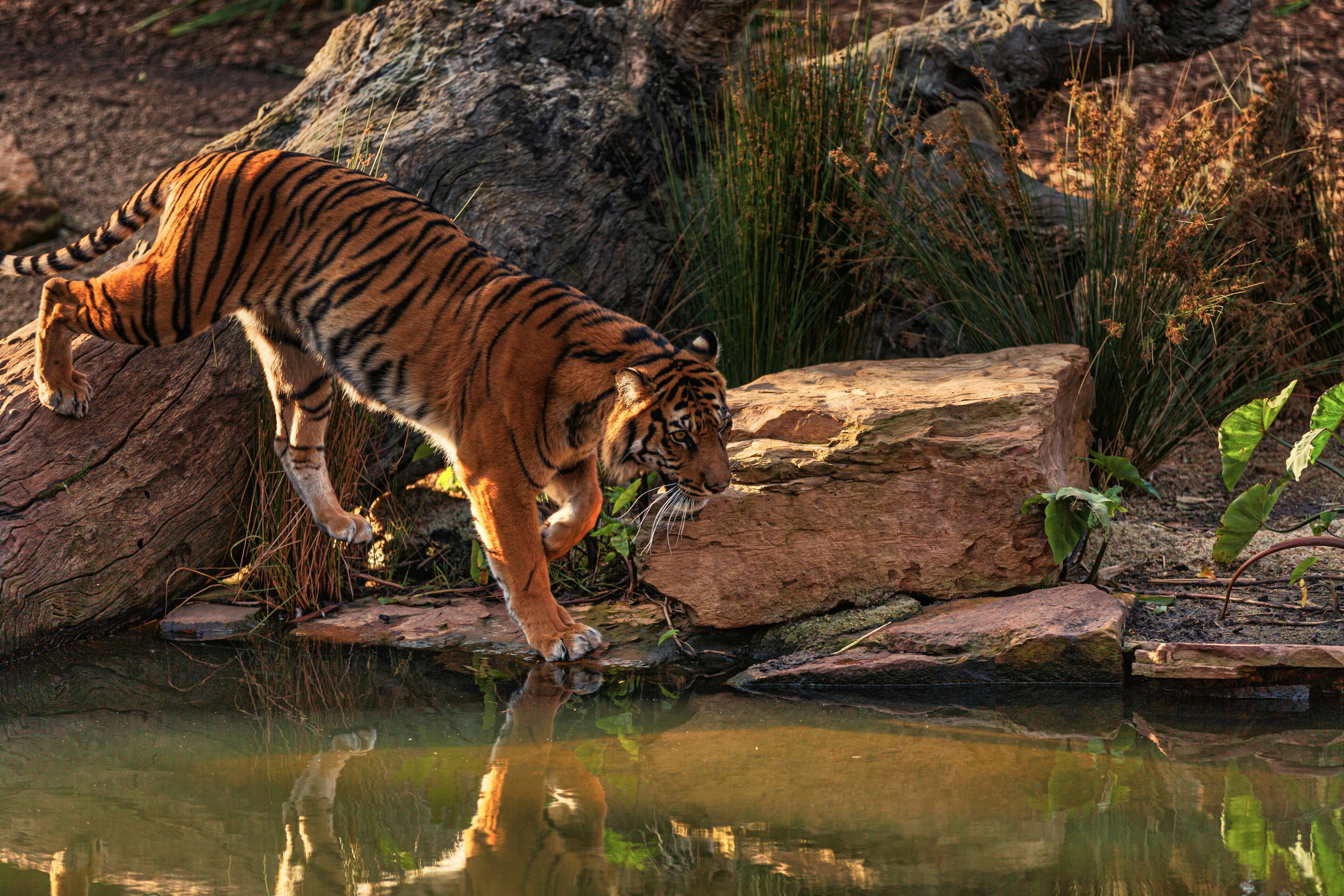
Bijrani Zone
Bijrani is one of the most sought-after safari zones in Jim Corbett National Park, renowned for its exceptionally high tiger sighting probability. The zone features a perfect blend of sal forests, mixed vegetation, and expansive grasslands called 'chaurs' that create an ideal habitat for the Royal Bengal Tiger. The terrain is relatively flat, making wildlife spotting easier for visitors. Many wildlife photographers and enthusiasts prefer Bijrani for its open landscapes that offer unobstructed views of animals in their natural habitat.
Wildlife You May Spot
Bird Species

Jhirna Zone
Jhirna Zone holds the unique distinction of being the only zone in Jim Corbett that remains open throughout the year, including during the monsoon season when other zones are closed. This makes it incredibly popular among wildlife enthusiasts who want to experience the jungle in its monsoon glory. The zone is characterized by mixed deciduous forests, seasonal streams, and undulating terrain. Jhirna is particularly known for leopard sightings and offers a more intimate wildlife experience with smaller groups.
Wildlife You May Spot
Bird Species

Dhela Zone
Dhela is a buffer zone that offers a more relaxed and peaceful safari experience compared to the core zones. Opened in 2014, this zone is characterized by vast open grasslands and wetlands, making it excellent for spotting elephant herds and various deer species. The zone is particularly popular among bird watchers as the wetland areas attract numerous migratory and resident bird species. Dhela provides an excellent opportunity to experience the wilderness without the rush and crowds of more popular zones.
Wildlife You May Spot
Bird Species

Garjiya Zone
Garjiya Zone offers a unique blend of spirituality and wildlife, named after the famous Garjiya Devi Temple perched on a rock amidst the Kosi River. The zone features rocky terrain and river landscapes, making it ideal for spotting mugger crocodiles basking on the riverbanks. The scenic beauty of this zone is unparalleled, with the river winding through the forest creating picture-perfect moments. While tiger sightings are less frequent here, the zone offers excellent opportunities for bird watching and enjoying the serene river ecosystem.
Wildlife You May Spot
Bird Species

Durgadevi Zone
Located in the northern tip of Jim Corbett National Park along the pristine Ramganga River, Durgadevi Zone is a haven for bird watchers and nature lovers. The zone features hilly terrain covered with dense sal forests, offering stunning views of the river valley below. The area is home to over 300 species of birds, making it one of the best birding destinations in India. The zone also offers excellent chances of spotting tigers, especially near the river where they come to drink water. The picturesque landscape makes every safari here a visual treat.
Wildlife You May Spot
Bird Species

Phato Zone
Phato Zone is one of the newest additions to Jim Corbett's safari zones, offering visitors an untouched and less-explored wilderness experience. Surrounded by thick sal forests and sprawling grasslands, this zone provides excellent opportunities for wildlife sighting without the usual tourist rush. The relatively undisturbed habitat has made it a preferred territory for tigers and elephants. Bird enthusiasts will find the zone particularly rewarding, with numerous species of raptors and forest birds. Phato is quickly gaining popularity among serious wildlife enthusiasts who prefer a more exclusive safari experience.
Wildlife You May Spot
Bird Species

Sitabani Zone
Sitabani is a buffer zone located outside the main boundaries of Jim Corbett National Park, offering a unique blend of spirituality and wildlife. The zone is named after Sitabani Temple, an ancient shrine believed to be where Goddess Sita meditated. Unlike other zones, Sitabani allows walking and trekking, providing a more intimate experience with nature. The dense forests are home to various wildlife including tigers, leopards, and elephants. The area is less commercialized, making it ideal for visitors seeking tranquility and a deeper connection with nature.
Wildlife You May Spot
Bird Species
Compare All Safari Zones
Ready for Your Safari Adventure?
Our wildlife experts can recommend the best zone based on the season, your preferences, and current tiger movement patterns for maximum sighting probability.